JCA Notices
Join your local association

Saturday Cafe
Jericho Pantry
The JCA represents residents on local issues, organizes events, and runs the community centre. Membership is FREE.
More information...Saturday Cafe
Our popular Saturday morning cafe is running again
More information...Jericho Pantry
Every Tuesday from 5.30 to 6.30 pm. The main purpose of the Pantry is to make food that would otherwise be thrown away accessible to people who live locally who can make use of it.
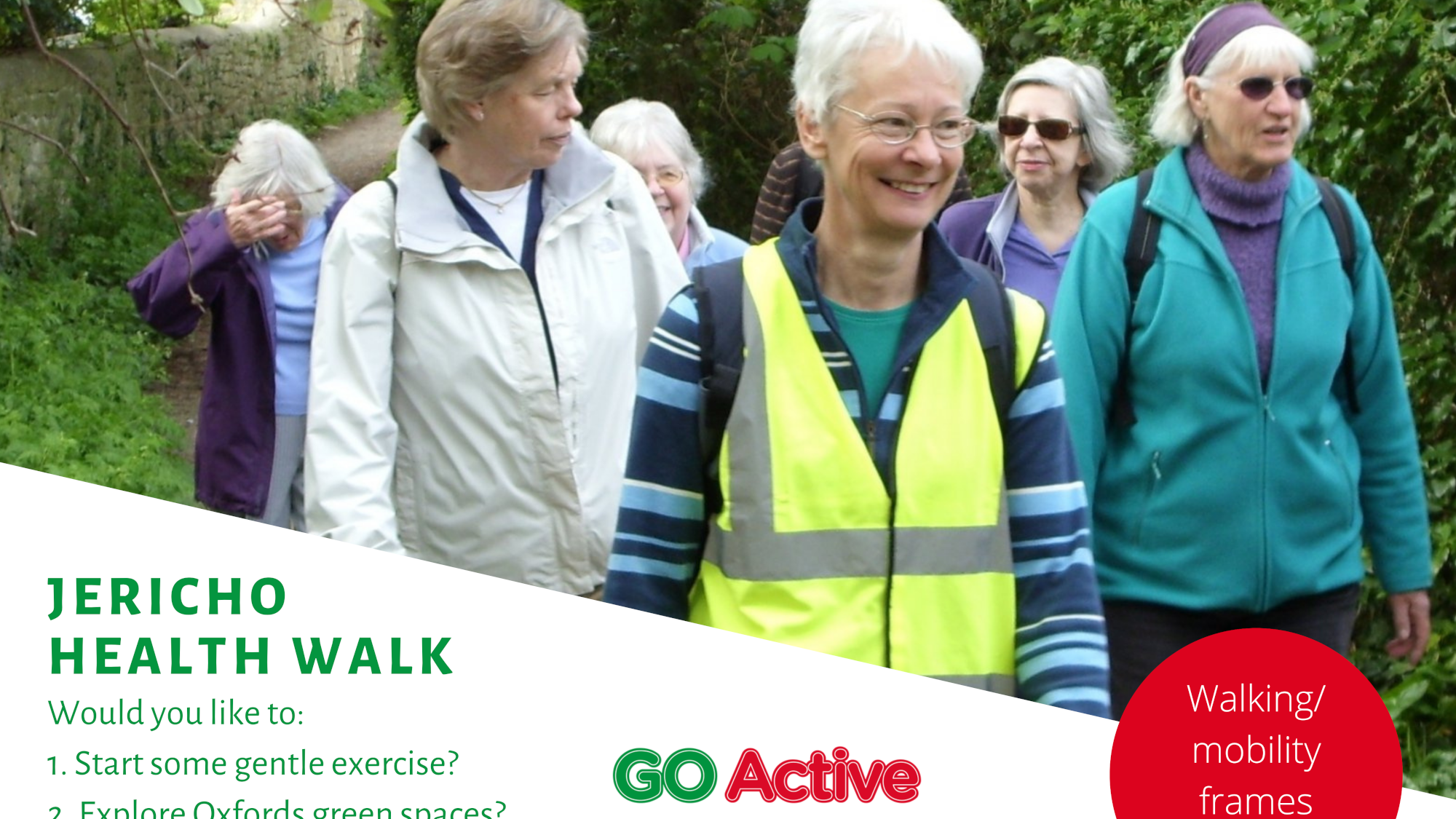
More information...Jericho Health Walk
Oboe lessons in Jericho


NEWS ITEM
History notes
Street names
Posted - May 01, 1997
Some have suggested that the name 'Jericho' has something to do with the jerry builders who constructed many of the houses. In fact the name, which is often used to signify remoteness, was probably derived from the Jericho House, a public house on or near the site of the current Philanderer and Firkin.
The area behind the inn was called Jericho Gardens. The area became commercially much more significant with the completion of the Oxford Canal in 1790 – which also stimulated the building of more houses. Among other things, this blocked the drainage of streams and sewers and Jericho suffered major cholera epidemics in 1832, 1849, and 1854, after which many residents left to live in Wolvercote.
In the 19th Century, Jericho was a citadel of the religious Oxford Movement – centred on Thomas Combe, superintendent of the Clarendon Press from 1838-77. He was a great benefactor of Jericho and provided funds for building St. Barnabas Church and helped with the old school on Great Clarendon Street.
Some street names:
Hart Street – Named after the Printer to the University 1883-1915.
Juxon Street – Named after William Juxon, President of St John’s College from 1621-33.
Cranham Street – Commemorates a St. John’s living purchased in 1927 for £4,500
Nelson Street – Takes its name from the Lord Nelson pub (since renamed the Carpenters’ Arms).